Flood Zones and Monsoon Season: What El Paso Home Buyers Should Check
El Paso is a dry city, but its summer monsoon storms can drop heavy rain in a short time, and water moves quickly across desert ground, down arroyos and into low areas. For home buyers, that means checking a property’s flood zone designation, how the lot drains, how the roof sheds water and what flood insurance would cost, before the option period ends. Tracy Wilkins, founder of Valor & Vine Realty Group and an ICON Agent with eXp Realty, builds these checks into every El Paso purchase so buyers are not surprised by the first big storm.
Why a desert city takes flooding seriously
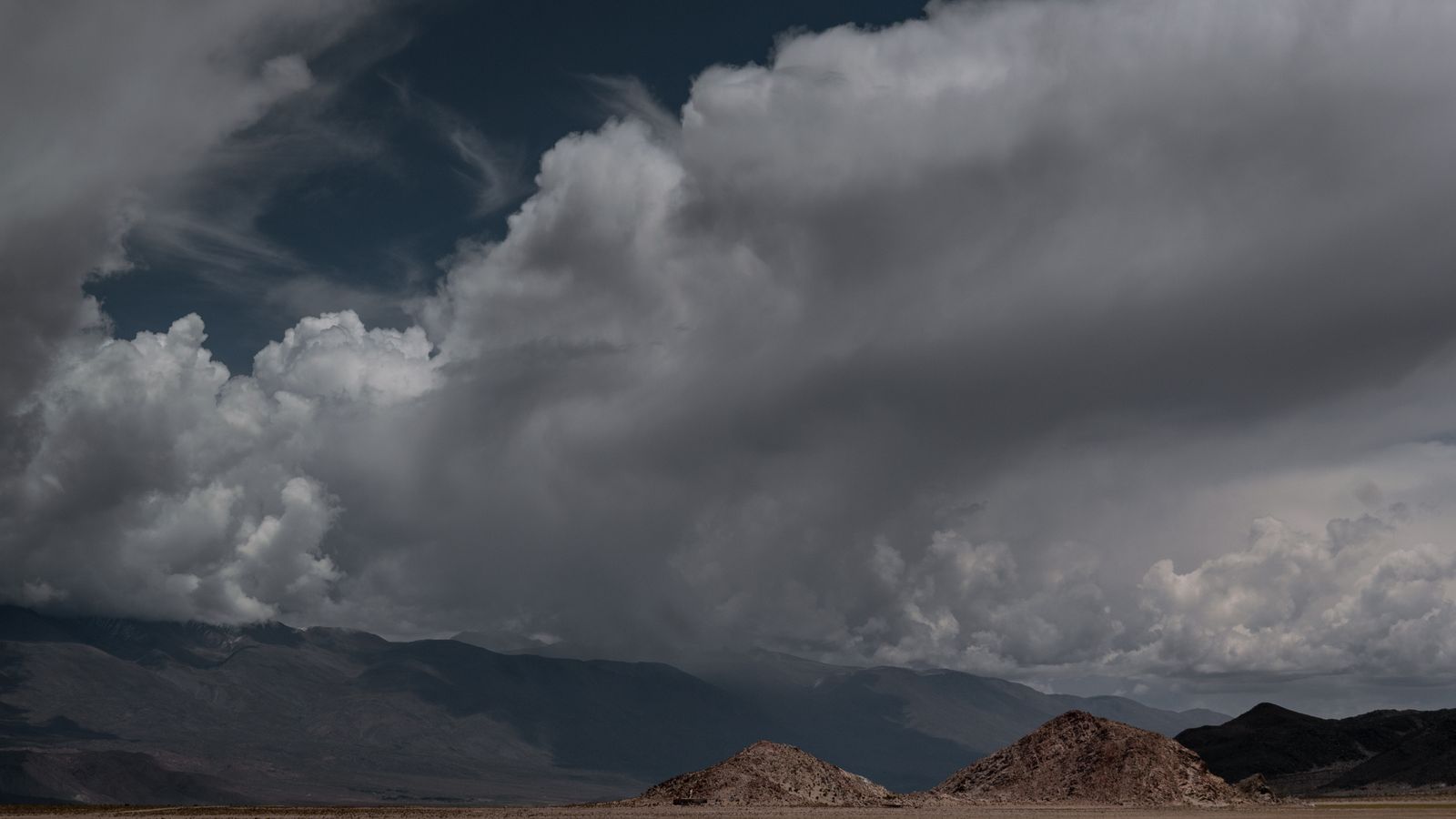
Most of El Paso’s rain falls during the summer monsoon, often in intense afternoon or evening storms. Hard, dry ground absorbs water slowly, so runoff gathers quickly. Streets can briefly act as channels, arroyos can run fast and low spots can collect water. El Paso has seen serious flooding in the past, including major storms in 2006, and the city has invested in stormwater infrastructure since. Individual properties still vary a great deal.
Check the flood zone designation
Federal flood maps assign properties to flood zones. Homes in higher risk zones, often labeled A or AE, generally require flood insurance when financed with a federally backed mortgage. Homes in moderate or lower risk zones may not require it, but can still flood.
How to check
Your agent, lender or insurance agent can look up the property on the federal flood map. Do this early, ideally before making an offer, and certainly before the option period ends.
Elevation certificates
An elevation certificate documents a home’s elevation relative to expected flood levels and can affect insurance pricing. Ask whether the seller has one.
Get an insurance quote during the option period
If flood insurance is required, or if you simply want it, get a quote before your option period ends. The cost belongs in your monthly budget. Federal flood insurance policies generally have a waiting period before coverage begins, so do not wait until the week of closing. Private flood insurance may also be available.
Lower risk does not mean no risk
Many flood claims come from properties outside the highest risk zones. For homes near arroyos, drainage channels or low areas, some buyers choose coverage even when it is not required.
Look at how the lot drains
Grading and slope
Water should flow away from the foundation, not toward it. Look for low spots near the home, signs of pooling, erosion channels and stains at the base of walls.
Arroyos and channels
Homes near the foothills in the Northwest, Northeast and West Side can sit close to arroyos that carry fast runoff. Homes in the Lower Valley and Upper Valley may sit near the river, irrigation canals or drainage ditches. Each setting deserves a close look.
Block walls and weep holes
Yard walls often have openings that let water pass through. Blocked openings can cause water to back up in a yard. Check that they are clear.
Check the roof and gutters
Flat roofs and canales
Many El Paso homes have flat or low slope roof sections that drain through scuppers or canales. Blocked drains let water pond, which can lead to leaks. Ask when flat sections were last recoated, and have the inspector look closely.
Rooftop coolers
Evaporative coolers mounted on the roof can create leak points. Look for ceiling stains near the cooler’s location.
Ask the seller
Texas seller disclosure forms ask about previous flooding, flood insurance claims and whether the property is in a flood zone. Read the disclosure carefully and ask follow up questions. Ask neighbors how the street handles heavy storms if you have the chance.
How flood risk affects financing and value
A required flood insurance policy increases the monthly cost of owning, which can affect how much home fits your budget. It can also narrow the pool of future buyers slightly. Neither is a reason to avoid a good home, but both belong in the decision.
Storm season and closing dates
Closing during the monsoon has one practical advantage: you may see how the home and lot handle a real storm before you move in. If a heavy rain falls during your option period, ask your agent or inspector to look at the yard, walls and ceilings soon afterward.
How Tracy helps
Tracy checks flood designation early, encourages insurance quotes during the option period, points inspectors toward drainage, roof and grading concerns and helps buyers weigh the cost against the home’s other strengths. For military buyers purchasing remotely, she can record video of the lot and nearby drainage after rain when timing allows.
Questions buyers ask about flooding in El Paso
Does El Paso flood?
Heavy monsoon storms can cause localized flooding, particularly near arroyos, low areas and drainage channels. Risk varies by property.
Do I need flood insurance in El Paso?
It is generally required for federally backed mortgages on homes in higher risk flood zones. It can be worthwhile elsewhere, especially near arroyos or low areas.
When is monsoon season in El Paso?
Most of the year’s rain typically falls during the summer monsoon, often from around midsummer into early fall.
The straight answer
Before buying in El Paso, check the flood zone designation, get an insurance quote during the option period, look closely at lot drainage, arroyos and yard walls, inspect flat roofs and rooftop coolers, and read the seller’s disclosure. Tracy Wilkins of Valor & Vine Realty Group helps buyers understand storm risk before they commit. Call Tracy at 915 234 1547.
Keep reading
- What to Check Before Buying a Home in El Paso, Texas
- Buying a Home in the Lower Valley and Socorro, Texas
- Buying a Home on the West Side and Upper Valley of El Paso
- Evaporative Cooler or Refrigerated Air: What El Paso Home Buyers Should Know
This article is general information, not legal, insurance, engineering or financial advice. Flood maps, insurance rules and requirements change, so confirm specifics with a licensed insurance agent, lender and qualified inspectors.
